1、 The era of traditional prototype making
In the field of industrial design, prototype production is an indispensable key link in the product development process. In the early stage of handmade production, craftsmen mainly relied on basic tools such as files, saws, and sandpaper to transform design drawings into solid models through tedious processes such as cutting, polishing, and splicing. The production during this period relied entirely on the experience and feel of the operator. A complex prototype often took several weeks or even longer to complete, resulting in low efficiency and difficulty in ensuring consistent accuracy.
2、 Introduction of Numerical Control Technology
With the popularization of CNC (Computer Numerical Control) machining centers, the prototype industry has ushered in its first technological revolution. Numerical control machining can automatically cut materials based on three-dimensional data, greatly improving accuracy and efficiency. However, CNC machining still requires the preparation of raw materials in advance, which belongs to subtractive manufacturing and has limitations such as serious material waste and difficult implementation of complex structures.
3、 The Disruptive Change of 3D Printing
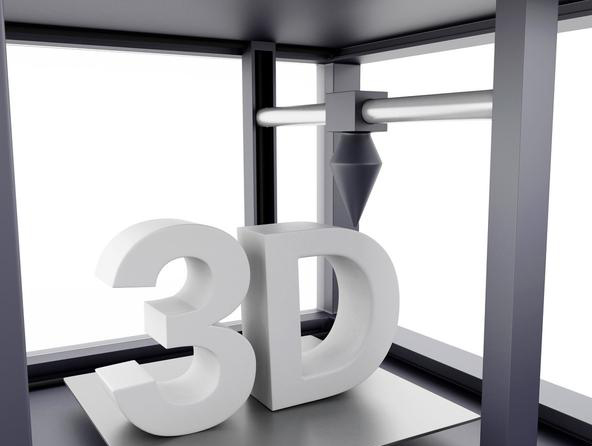
At the beginning of the 21st century, the maturity of 3D printing technology completely changed the face of the prototype industry. By using layer by layer additive manufacturing, designers can directly output physical objects from digital models without the need for molds and embryo preparation. Various processes such as SLA photopolymerization, SLS powder sintering, FDM melt deposition, etc. have successively matured, making:
The production cycle has been shortened from weeks to hours or even minutes
Complex geometries such as internal hollowing, channel surfaces, etc. can be formed in one go
The selection of materials is becoming increasingly diverse, from plastic to metal, from soft rubber to resin
The cost threshold has been significantly reduced, allowing small and medium-sized enterprises to quickly verify their designs
4、 Industry Status and Prospects
Nowadays, 3D printing has become the mainstream way of making prototypes, while traditional manual skills have not disappeared – it has shifted more towards fields that require humanistic warmth, such as art sculpture and cultural relic restoration. The prototype industry is continuing to evolve towards intelligence and unmanned direction, with new models such as AI assisted design and cloud printing services reshaping the industry chain and providing more agile support for product innovation.