Adaptability Analysis of Metal 3D Printing in Prototype Enterprises
1、 Adaptation advantages
1. Perfectly adaptable to complex structural manufacturing
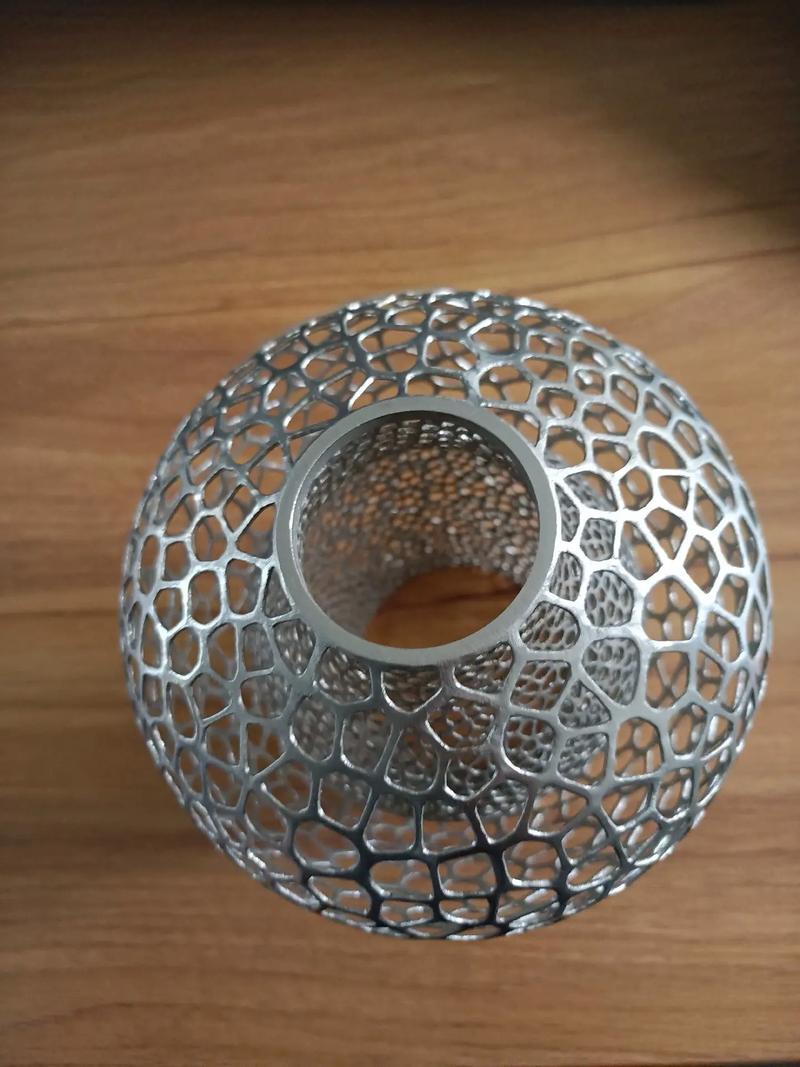
Metal 3D printing can directly form complex internal flow channels, hollow structures, precision buckles, gear meshing structures, and other designs that are difficult to machine with traditional CNC through laser melting technology. There is no need to modify the design scheme to adapt to the process, greatly improving the design freedom and saving the time and cost of repeated mold repair. It is very suitable for prototype projects that require rapid iteration.
2. Comprehensive material coverage to meet the needs of multiple scenarios
The mainstream metal materials that prototype companies can choose from include:
Stainless steel and aluminum alloy: the most commonly used basic materials. Stainless steel is corrosion-resistant and has high mechanical strength, while aluminum alloy has excellent lightweight performance and can be used for conventional high-strength prototypes such as electronic product casings and mechanical parts. It also supports subsequent surface treatments such as sandblasting, oxidation, and electroplating, balancing performance and appearance.
High precision mold steel: suitable for high-end precision mold prototype production needs.
Titanium alloy: With its high strength to weight ratio and biocompatibility, it can be used for medical devices, high-end consumer product prototypes, and printed products can be directly used for functional testing.
3. Significantly shorten the sampling cycle
Compared to traditional prototype processing techniques, metal 3D printing can quickly convert STL design files into physical prototypes, completing prototype production in just a few hours to days, helping companies quickly complete product validation, exhibition displays, and seize market opportunities.
4. Balancing accuracy and performance
Using SLM and other metal 3D printing processes, the accuracy can reach ± 0.1mm. The printed metal prototype has high strength and good durability, and can be directly used for structural reliability verification. Some products have undergone fine surface treatment, and their appearance can approach the level of mass-produced parts.
2、 Adaptation scenario
1. Industrial Design Verification Prototype: Projects that require verification of complex mechanical structures and high-strength functional testing
2. High end customized prototype: customized scenarios with strict requirements for material performance and accuracy, such as medical equipment, aerospace components, and luxury consumer goods
3. Rapid iteration project: R&D prototype orders that require frequent design modifications and rapid sample verification
3、 Adaptation precautions
1. Cost considerations: Metal materials themselves have higher costs, and the consumables and equipment costs of 3D printing technology are also higher than resin printing, making them suitable for high value-added, small batch prototype orders. Large scale production is not cost-effective.
2. Surface treatment requirements: The surface of the original metal 3D printed product has a certain graininess, and most scenes require subsequent surface treatments such as sandblasting, polishing, electroplating, etc. to achieve the appearance effect of mass production.
3. Service provider selection: It is necessary to choose a service provider with rich experience in metal printing, confirm the types of materials, precision parameters, and post-processing capabilities they can provide, and communicate in advance whether the design scheme is suitable for the printing process.