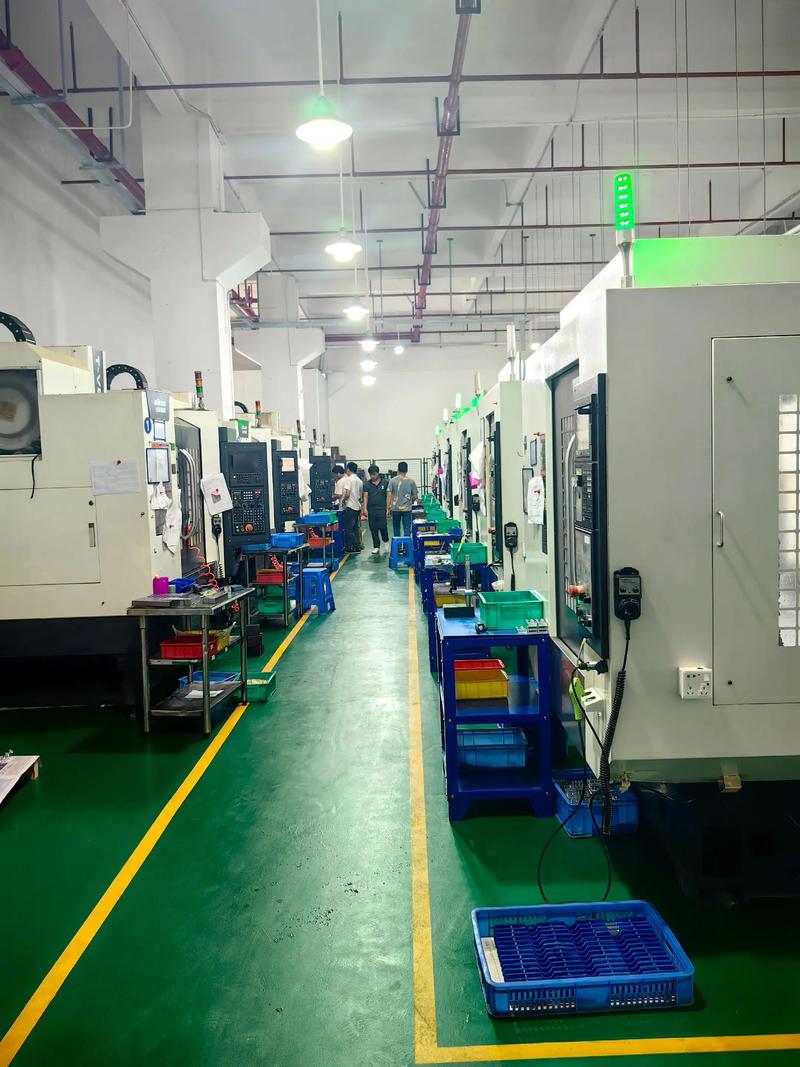
As the cut-throat competition in the prototype industry intensifies, small and medium-sized factories need to break away from the vicious cycle of low prices. They can create differentiated competitive advantages in the following ways:
1. Specialization Positioning: Prototype factories can choose to specialize in the manufacturing of prototypes within a specific field or type, becoming experts in that area. For instance, they can focus on prototypes for consumer electronic products or medical devices. By specializing, they can better meet the needs of customers in specific fields, thereby finding their niche market amidst fierce market competition.
2. Technological innovation: Prototype factories can enhance production efficiency and product quality by introducing new technologies, such as 3D printing technology and CNC machining technology. Simultaneously, through technological innovation, they can develop products with unique functions or designs to cater to the personalized demands of the market.
3. Brand building: Prototype factories should focus on brand building and enhance their brand image. They can establish a good reputation and attract consumer groups that are less sensitive to price by improving product quality and providing excellent services.
4. Explore new business models: Apart from the traditional hand model manufacturing business, other profitable ways can be explored. For instance, providing design services and installation support for hand models can open up a second source of profit.
5. Green Manufacturing: With the increasing awareness of environmental protection, green manufacturing has become an important direction for industry transformation. Prototype factories can meet the market demand for environmentally friendly products by adopting environmentally friendly materials and implementing green manufacturing strategies, while also gaining policy support from the government.
6. Cooperation and Alliance: Prototype factories can collaborate with other enterprises to share resources and jointly tackle market challenges. For instance, they can forge strategic partnerships with raw material suppliers to stabilize raw material supply and prices. Alternatively, they can form alliances with other prototype model manufacturing enterprises to collectively cope with price wars in the market.
In general, prototype factories need to leverage their strengths and identify their differentiated competitive advantages to face the challenges of cut-throat competition driven by low prices.