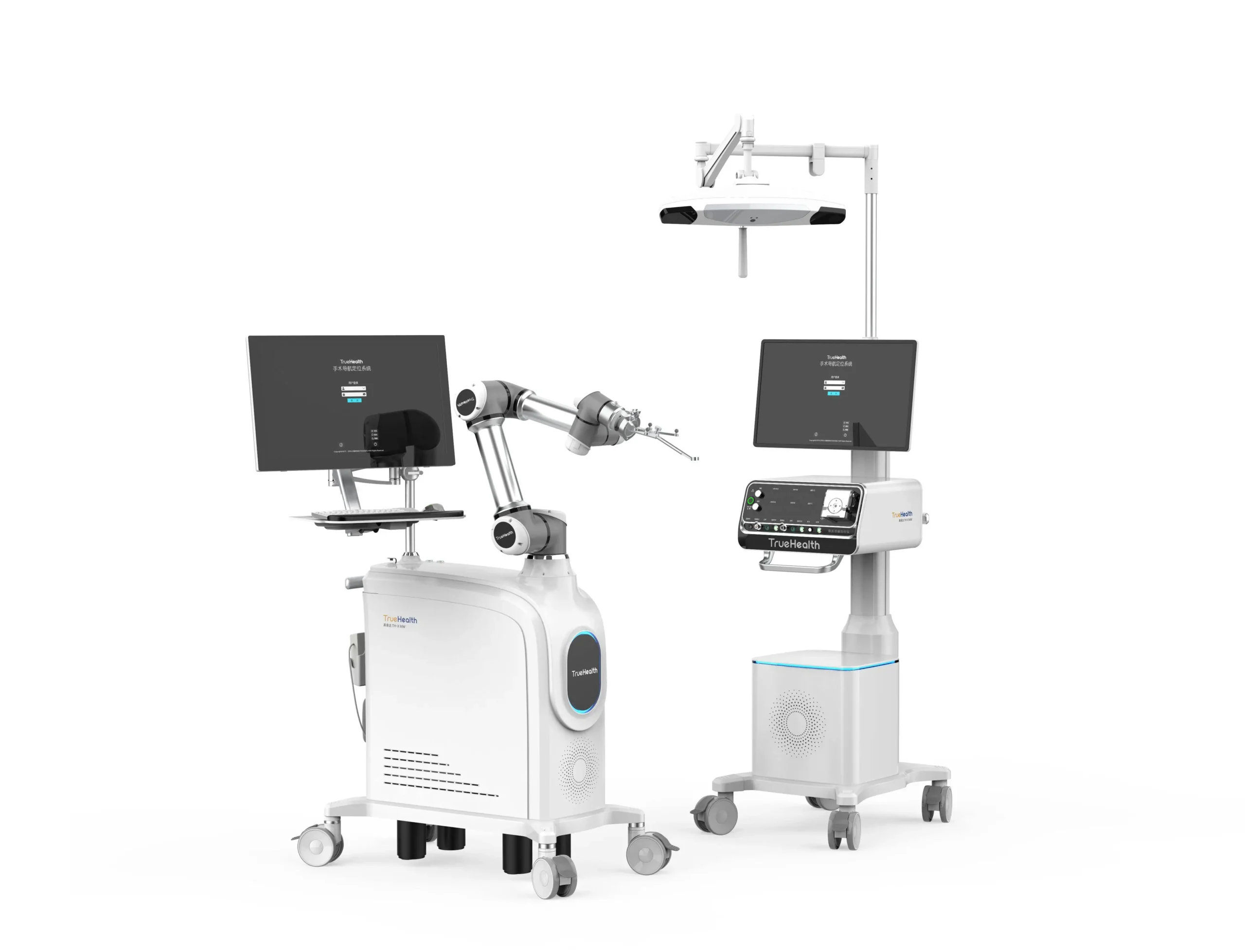
The production of medical device prototypes is different from ordinary consumer electronics, as it directly affects the safety of patients and the efficiency of medical operations. Therefore, there are extremely strict special requirements in the production process, mainly focusing on three dimensions: material compliance, functional verification, and safety standards.
Firstly, biocompatibility and material compliance are the primary red lines. Medical device prototypes often come into contact with human skin, tissues, and even blood, and material selection must strictly follow the ISO 10993 biocompatibility standard. It is strictly prohibited to use ordinary industrial plastics containing harmful substances such as phthalates. Medical grade certified materials such as ABS, PC, PEEK, or titanium alloy must be selected. In addition, the material needs to have corrosion resistance to adapt to possible subsequent ethylene oxide, gamma ray, or high-temperature and high-pressure sterilization tests, ensuring that the prototype does not deform or degrade after sterilization.
Secondly, the precision and surface treatment requirements are extremely high. Medical devices often operate in narrow spaces, with extremely strict requirements for dimensional tolerances, typically controlled within ± 0.01mm. In terms of surface treatment, it is not only required to have a flawless appearance, but also emphasizes “ease of cleaning”. The surface of the prototype must have a smooth transition, eliminating dead corners and gaps to prevent bacterial growth. All exposed edges and corners must be rounded to avoid scratching medical staff during clinical use. For transparent medical components such as medication boxes and endoscope parts, optical grade transparency and high transmittance are also required.
Once again, emphasize the functional verification under real working conditions. The medical prototype is not only a visual display, but also requires strict “simulated use testing”. For example, the surgical forceps hand plate needs to be tested for its biting force and wear resistance, while the shell hand plate needs to undergo drop testing and IP waterproof rating testing. The prototype needs to accurately reproduce the weight and center of gravity of the finished product, so that doctors can evaluate the hand feel and simulate surgery, ensuring the rationality of human-computer interaction.
In summary, the production of medical device prototypes is not only a physical replica, but also a deep verification of safety standards and clinical applicability. Any minor material or process negligence may lead to subsequent registration and testing failures.